Art Education
With Ms. crystal
“An Artist is someone who must make things in order to process life” - Beth Pickens

About me :
My name is Crystal Frias. I am in Hunter College’s , art education graduate program. I graduated from the College of Staten Island CUNY, with a BFA in Photography and a BA in English with a concentration in writing. For Student teaching I spent half of my placement at P.S. 185 in Brooklyn, NY. I spent my second placement at Gramercy Arts High school in New York, NY.

tEACHING pHILOSOPHY
Teaching philosophy is an integral part in learning how an educator is willing to reflect and change. Educators respond to how they go about teaching, based on the feedback from students and peers. This is where they share their future ideas and goals for teaching and learning effectiveness.

Lesson plans, Student work & demo lessons
These lesson plans consists of students learning about art historical references, the exploration of various techniques, mediums, and different art styles.

About me:
My name is Crystal Frias. I am a graduate of the Hunter College CUNY Art Education program. I also hold a BFA in Photography and a BA in English with a concentration in writing from the College of Staten Island CUNY.
I am a second-year teacher at P.S. 200, where I teach K–5 visual arts. In this role, I design and implement curriculum for a large population of students, building process-based lessons across a variety of mediums. One of the most meaningful parts of my position has been curating a student art show featuring work from over 1,200 students, creating a shared space for them to celebrate their creativity and growth.
For my student teaching, I completed placements at P.S. 185 in Brooklyn, NY and Gramercy Arts High School in New York, NY. At P.S. 185, I worked with K–5 students, including special education and ELL learners, and developed a collage-based unit for a third-grade class while differentiating instruction to support diverse needs. At Gramercy Arts High School, I supported 9th grade Visual Arts and 12th grade AP Art History, assisting with curriculum-aligned lesson planning and creating lessons that supported student exploration and idea development in a studio-based environment.
Across all of my experiences, I’ve valued watching students grow at different stages of their artistic development—from early experimentation to more intentional, expressive work—and being part of that process has been incredibly rewarding.
tEACHING pHILOSOPHY
My teaching philosophy is rooted in student-centered learning. I believe students are naturally curious and use that curiosity to explore themselves and the world around them. My goal is to create a supportive, open environment where students feel safe expressing themselves through art-making and are engaged in both the content and materials they are working with. I see art education as a space where students can explore their experiences and ideas through meaningful creative practice.
I believe all students are capable of creating thoughtful work when given the tools, techniques, and freedom to do so. Art plays an important role in cognitive and emotional development and helps students understand what it means to be human. Through hands-on exploration and exposure to diverse artists, students are able to make personal connections to what they are learning and creating.
I aim to build a classroom community where students feel heard, supported, and encouraged to share their ideas. While I guide their learning, I also see myself as a lifelong learner alongside them. Through discussion, critique, and collaboration, students challenge themselves, their peers, and me as their teacher. I look forward to continuing to grow with my students through the shared experience of art-making.

Lesson Plans & Student work
These lesson plans range from K-5 Elementary school to High school Visual Arts and Art history. Students learn about art historical references, the exploration various techniques, and experimentation of different art mediums.


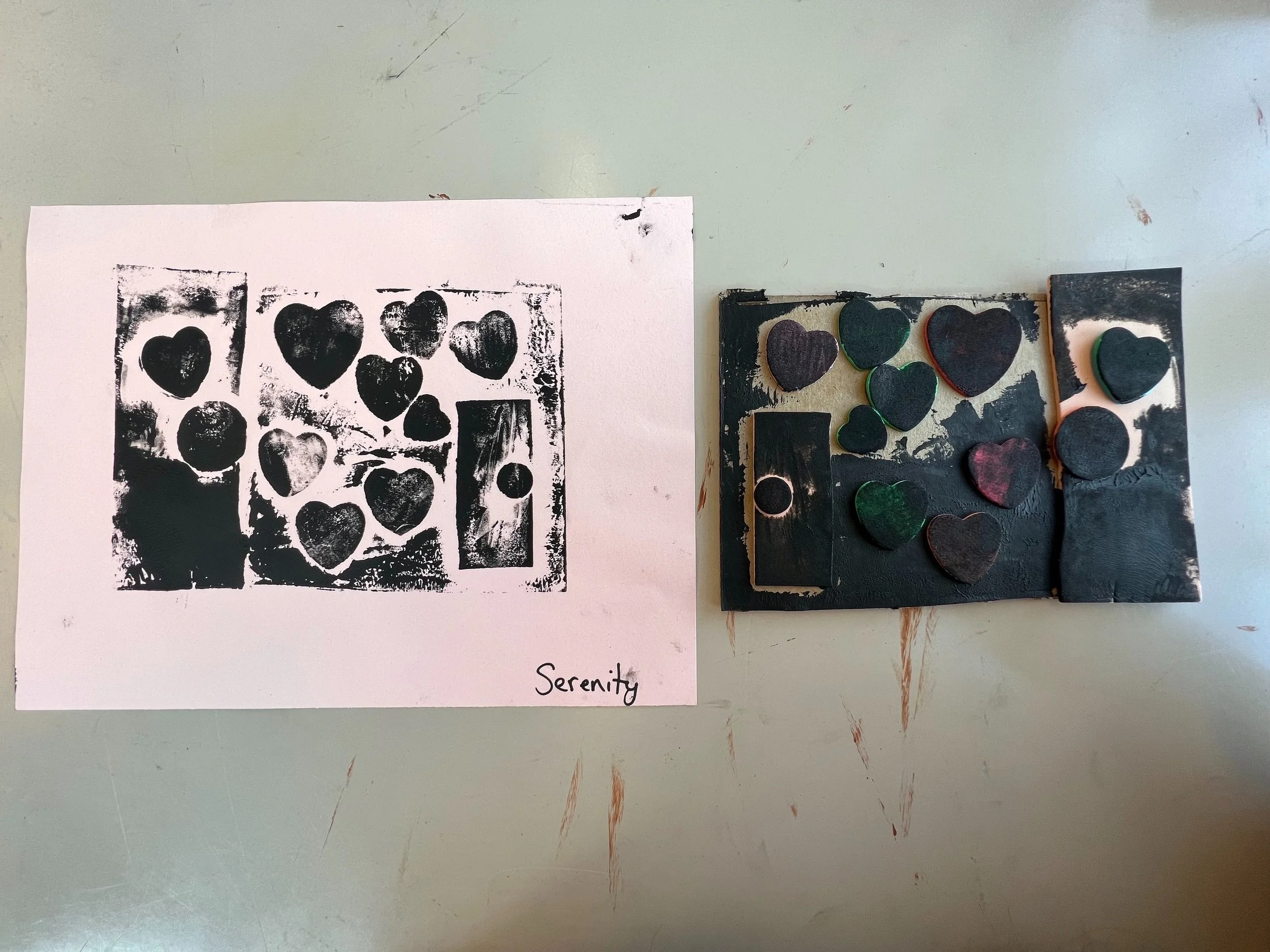
lESSON Overview: Cityscape Collagraphs
Grades K-3
Students observe and think about cityscapes, they then create a collage using foam and other textured materials for a collagraph print. A collagraph print is made by glueing different materials to a piece of foam or cardboard and creating a kind of collage. During the inking process the ink will rub off surfaces that are smooth or higher and stay on surfaces that hold more ink, at edges and at lower points thus creating the image. They learn the printmaking process using ink, brayer to create prints inspired by cityscapes on construction paper.


lESSON Overview: Nature collages
Grade 2-3
Students Learn about Henri matisse ANd his collage making process. they paint paper using warm and cool colors, cut geometric and organic shapes to create an abstract or representational style collage based on the theme of nature and their own experiences with nature.


lESSON Overview: Zentangle LAndscape foam prints
Grade 3-5
Students combine zentangles and the negative space in their landscape drawings. They then learn the printmaking process of intaglio which means carving the image into their foam plate. using ink and a brayer, they coat their foam plates and create zentangle landscape prints on construction paper.


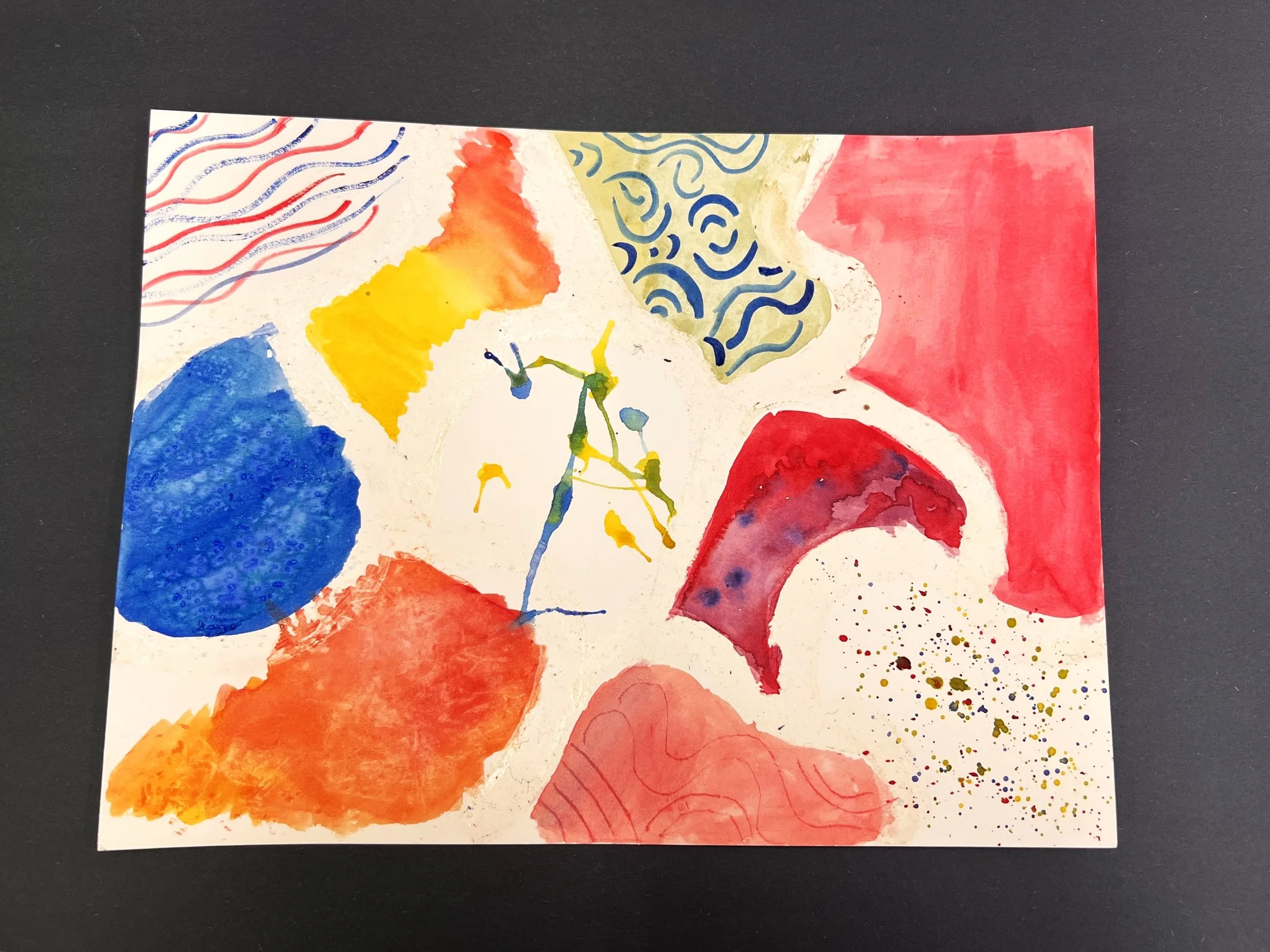


lESSON Overview: Watercolor Techniques
Grade 9
Students Learn about various watercolor techniques. usIng the resist technique students divide their watercolor paper with different lines into ten sections. they then explore each technique in the spaces they created.

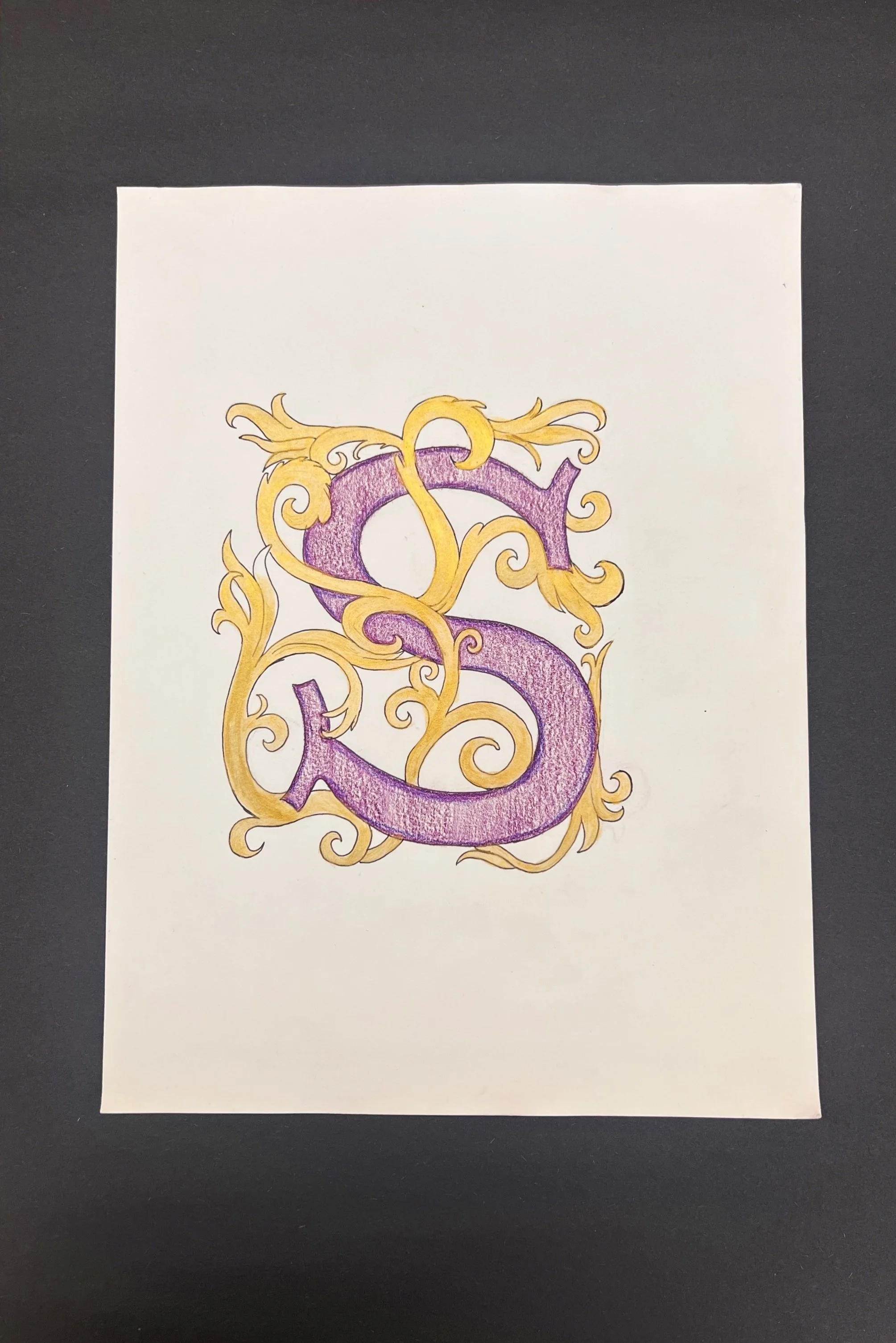


lESSON Overview: Byzantine Illuminated Manuscript Letters
Grade 12 AP Art History
Students Learn ABOUT THE BYZANTINE EMPIRE AND ILLUMINATED MANUSCRIPTs letters. sTUDENTS RECALL HISTORICAL ART WORK AND THEN ANALYZE THE DETAILS IN THE LETTERS IN ORDER TO CREATE THEIR OWN USING ORNATE DETAILS OR NARRATIVE IMAGERY.
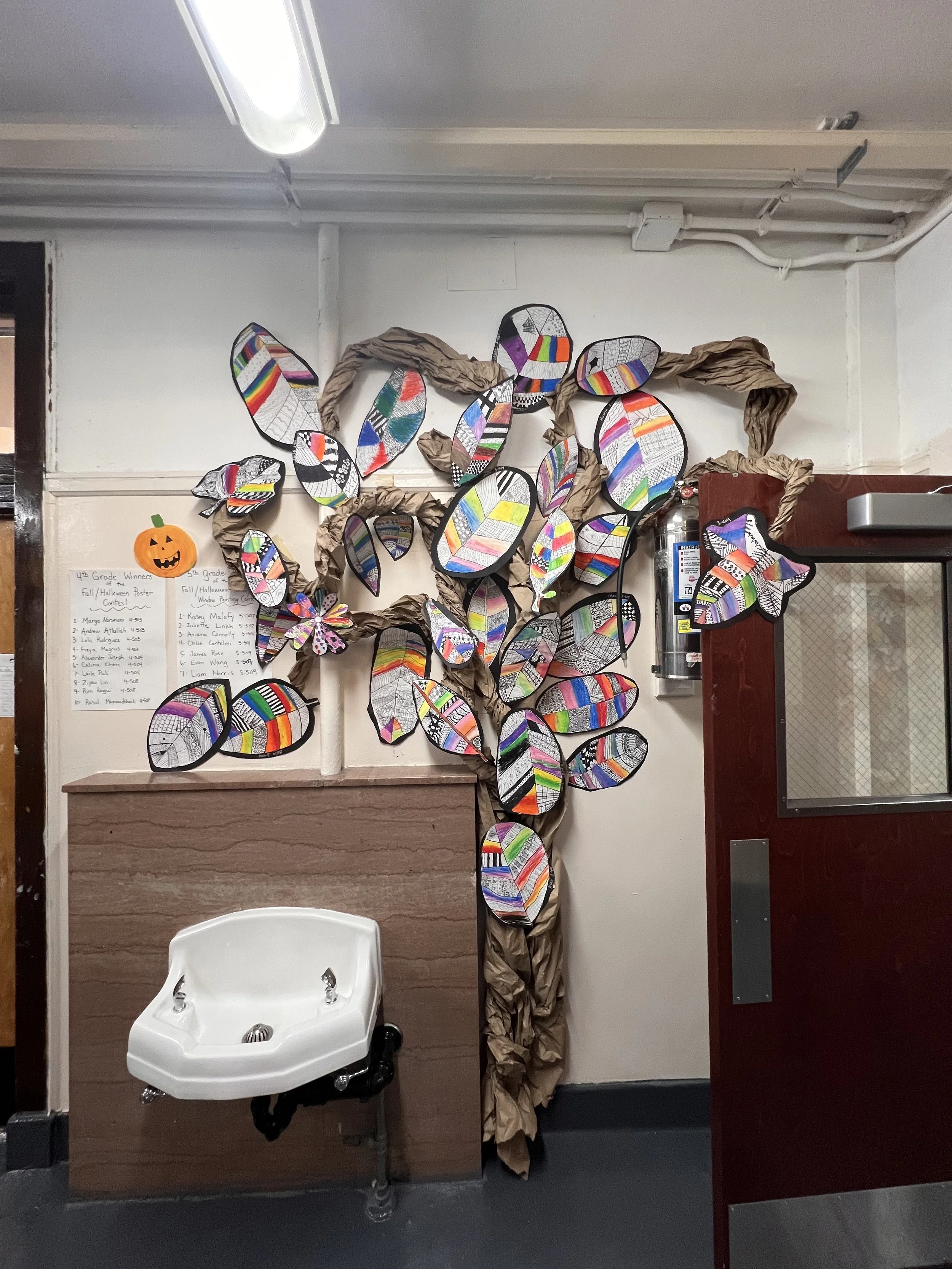
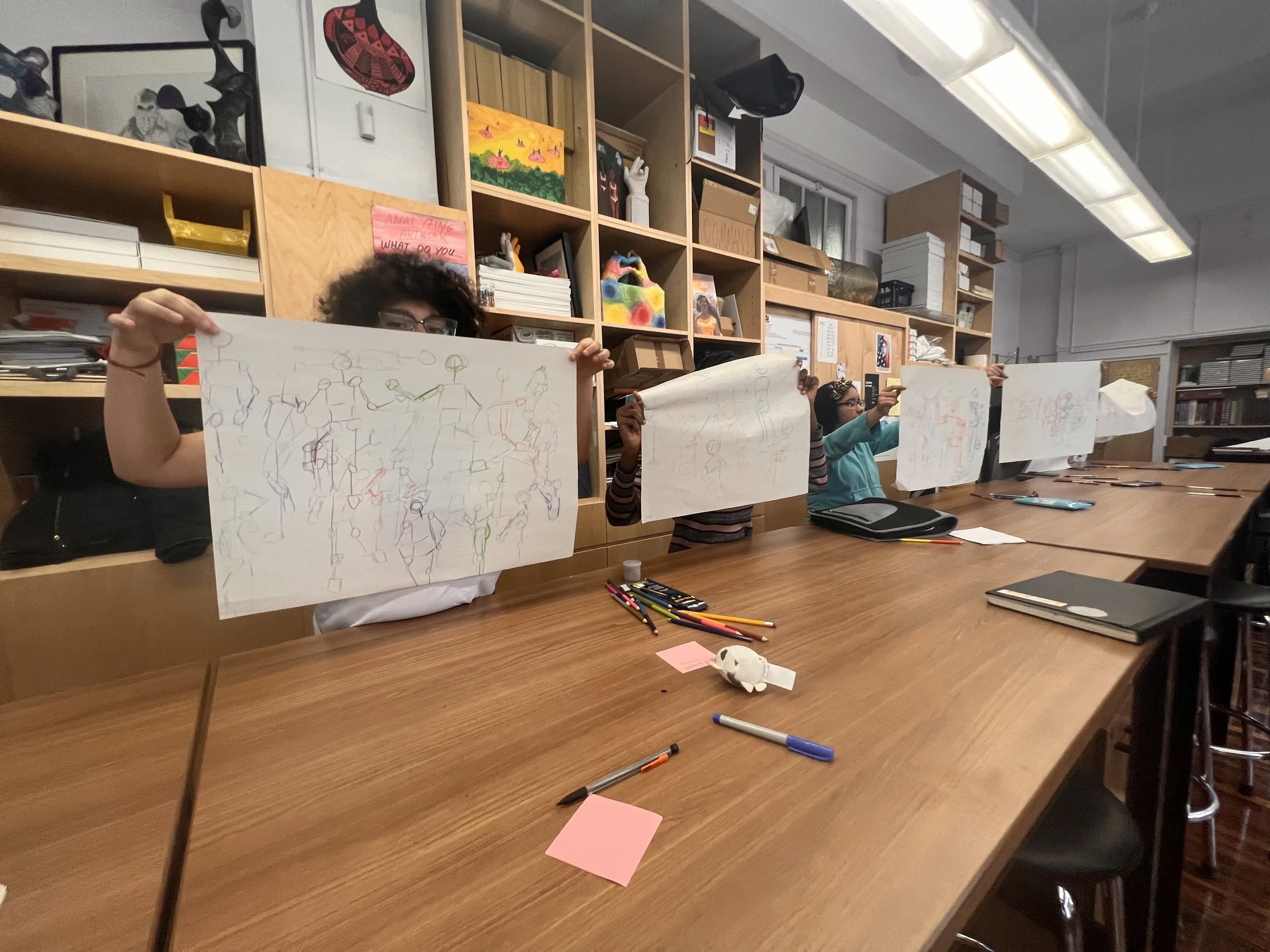
Student Work




DEMO LESSON PLANs